引言:从中国验证到全球机遇
共享经济浪潮中,共享充电宝无疑是一朵独特的“浪花”。它不仅在中国市场历经考验,成为共享领域少数实现规模化盈利的商业模式,更孵化出数家行业巨头,年市场规模达数十亿元人民币。如今,这一成熟模式正将目光投向更广阔的天地——海外市场。面对人口基数庞大、消费场景多元的全球舞台,共享充电宝的出海之路既是商业模式的自然延伸,也蕴藏着全新的投资机遇与挑战。本文将深入剖析海外市场现状、区域差异、核心竞争力及投资逻辑,为关注此赛道的参与者提供全面洞察。
第一章:模式成熟,海外潜力无限
1.1 国内模式的成功验证
中国的共享充电宝行业已走过野蛮生长阶段,进入精细化运营时期。其商业模式的成功,核心在于精准抓住了现代人“电量恐慌”的刚性需求,并成功渗透至餐饮、娱乐、交通、商圈等高流量线下场景。行业不仅实现了稳定的现金流,更通过技术进步(快充、高容量电池)和场景深化,持续挖掘单点价值。这为出海奠定了坚实的运营基础、供应链优势和资本信心。
1.2 海外市场的广阔前景
与国内市场相比,海外市场呈现出更大的想象空间。一方面,许多国家和地区智能手机普及率高,但公共充电基础设施并不完善,存在显著的服务缺口。另一方面,海外旅游、商务出行、户外活动等场景丰富,催生了多元化的应急充电需求。更重要的是,除少数地区外,大部分海外市场的竞争格局尚未固化,为具备先发优势和本地化能力的品牌提供了切入的窗口期。从人口红利到消费习惯,海外市场都具备孕育下一个增长极的土壤。
第二章:全球市场图谱:区域差异与本地化实战
海外市场绝非一个整体,其复杂性要求从业者必须具备“显微镜”视角,深入理解每个区域的独特性。
2.1 欧洲:注重效率与规范的成熟市场
以法国、英国、德国、意大利等为代表的欧洲市场,消费者习惯短时、高效的补电服务。豹风充电等先行者已在此建立桥头堡,通过与本地商户、服务机构合作铺设网点。欧洲市场的特点是法规明确、用户付费意愿较高,但同时对数据隐私、设备安全认证(如CE认证)有严格标准。运营需高度合规,并适配本地信用卡、Apple Pay等主流支付方式。
2.2 中东:高净值与支付本地化
在卡塔尔、阿联酋、沙特等中东市场,消费者购买力强,高端商场、酒店、机场是核心场景。成功落地的关键在于支付渠道的深度打通。例如,在沙特,成功接入本国通用的MADA卡支付系统,是获得用户信任、实现交易闭环的必经之路。此外,需适应本地宗教文化习俗,在产品设计和营销上体现本土友好性。
2.3 东南亚:移动支付主导的活跃市场
泰国、印尼、越南等东南亚国家,共享充电宝已进入快速成长期。这些市场的显著特征是移动支付高度普及但方式各异。例如在越南,必须集成 Momo、Zalo Pay、VNPay 等本地电子钱包,否则将寸步难行。同时,东南亚用户对价格敏感度高,需设计灵活的价格策略,并注重设备在高温高湿环境下的耐用性。
2.4 北美:技术标准高,挑战与机遇并存
美国、加拿大、墨西哥市场潜力巨大,但门槛也最高。一方面,网络制式(如运营商的频段支持)、eSIM卡技术的普及,对充电宝内置通信模块提出了独特的技术要求。另一方面,市场对品牌认知、产品设计美学和用户体验有较高期待。目前,通过与本地合作伙伴进行测试性落地,逐步适应其商业环境和消费者习惯,是较为稳妥的策略。
核心洞察:全球布局无法复制粘贴。成功的出海是支付、合规、习惯、运维的“超本地化”系统工程。
第三章:构建护城河:为出海量身定制的产品力
要在差异化的市场中胜出,必须依靠硬核的产品与技术实力。
3.1 硬件:前瞻设计应对未来挑战
面对技术快速迭代,出海硬件必须具备前瞻性。以豹风充电产品为例:
• 功率自适应:支持22.5W-100W宽范围快充,不仅兼容当前主流手机的快充协议,也能满足未来平板、笔记本等更大功率设备的充电需求,确保投资长期有效。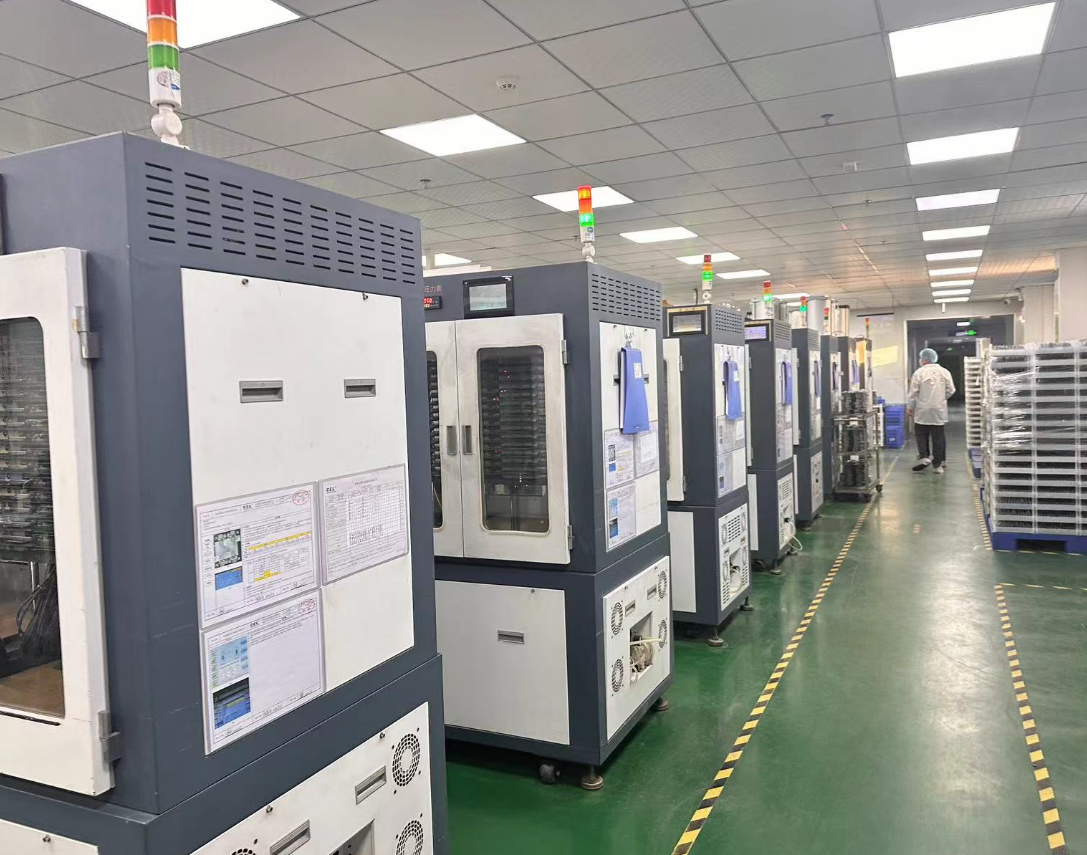
• 模块化与长寿命:关键部件(如电池、通信模块、主板)采用模块化设计,可单独更换维修,极大降低了国际物流和现场维修的成本与时间。结构设计保障设备能在多种气候环境下稳定工作5年以上。
3.2 软件与运营:深度本地化的灵魂
硬件是躯体,软件与运营则是灵魂。成功的出海产品需要在以下层面深度融入本地:
• 全链路本地化:不仅仅是多语言界面,更包括符合当地用户认知的交互流程、适配本地节假日的营销活动、以及基于本地数据提供的客服支持。
• 灵活的系统对接:后台管理系统需具备强大的开放性,能够灵活接入不同国家的支付网关、商户CRM系统、地图服务等,实现运营效率最大化。
第四章:投资逻辑:机遇、节点与理性评估
4.1 巨大的市场预期与回报潜力
随着全球数字化进程加深,移动设备的续航焦虑将长期存在,共享充电作为“线下流量入口”和“基础设施服务”的双重价值日益凸显。率先在重点区域完成网络布局、建立品牌认知的企业,有望获得显著的先发优势和市场占有率,从而带来持续、稳定的现金流和可观的资产回报。
4.2 成功路上的关键节点
然而,光明前景之下,道路并非坦途。投资者需审视项目是否已突破或计划清晰以下关键节点:
1. 合规与准入:产品是否已获得目标市场的必要认证(如CE、FCC、KC等)?数据合规方案(如GDPR)是否完善?
2. 支付闭环:是否已打通目标国主流支付渠道?资金结算是否顺畅、合规、经济?
3. 本地伙伴:是否拥有可靠的本地运营、地推、运维合作伙伴?还是完全自建团队?两种模式的成本与风险各异。
4. 运维网络:如何实现设备的监控、补电、维修和更新?本地化运维体系的能力和成本是决定长期盈利的关键。
4.3 给投资者的建议
投资共享充电宝出海项目,应重点关注以下几点:
• 验证过的落地能力:优先选择已有多个国家和地区成功落地案例的品牌,而非仅停留在计划书阶段。豹风充电在欧洲、中东、东南亚等地的实际运营经验,是其能力的直接证明。
• 产品与技术底蕴:考察其产品是否为全球设计,技术架构能否支撑快速本地化适配和长期迭代。
• 团队基因:核心团队是否具备国际化视野、跨文化管理能力和强大的资源整合实力。
• 清晰的战略路径:是否有清晰的市场选择优先级、可行的本地化策略以及明确的盈利时间表。
结论
共享充电宝的出海,是一场对中国成熟商业模式的“压力测试”和“价值升级”。它揭示了在全球化背景下,真正的竞争力来源于对本地化最深度的理解、对产品最长远的规划,以及对运营最精细的把控。
对于投资者而言,这片蓝海虽充满诱惑,但也暗流涌动。聚焦于那些像豹风充电一样,已用实际行动在复杂多样的海外市场站稳脚跟,用创新产品构建长期技术壁垒,并用开放合作的心态构建本地生态的企业,或许能更稳妥地握住这把开启全球共享充电宝藏的钥匙,分享其跨越式增长所带来的丰厚回报。未来,属于那些既能仰望星空、又能脚踩实地的探索者。
Shared Power Bank Going Global: Mining the Overseas Market, Decoding a New Blue Ocean for Investment
Introduction: From Validation in China to Global Opportunities
In the wave of the sharing economy, the shared power bank stands out as a distinctive phenomenon. Not only has it withstood the test in the Chinese market, becoming one of the few sharing economy business models to achieve large-scale profitability, but it has also incubated several industry giants, creating an annual market size of tens of billions of Chinese yuan. Today, this mature model is setting its sights on a broader horizon—the overseas market. Facing a global stage with a vast population base and diverse consumption scenarios, the overseas expansion of shared power banks is both a natural extension of the business model and a realm brimming with new investment opportunities and challenges. This article will provide an in-depth analysis of the current state of the overseas market, regional differences, core competitiveness, and investment logic, offering comprehensive insights for participants interested in this sector.
Chapter 1: Mature Model, Boundless Potential Overseas
1.1 Successful Validation of the Domestic Model
China’s shared power bank industry has moved beyond its initial phase of rapid, unregulated growth and entered a period of refined operations. The success of its business model lies in accurately capturing the rigid demand of modern people’s “battery anxiety” and successfully penetrating high-traffic offline scenarios such as dining, entertainment, transportation, and commercial districts. The industry has not only achieved stable cash flow but continues to enhance the value of each service point through technological advancements (fast charging, high-capacity batteries) and deeper scenario integration. This has laid a solid foundation for overseas expansion in terms of operational expertise, supply chain advantages, and investor confidence.
1.2 The Vast Prospects of the Overseas Market
Compared to the domestic market, the overseas market presents even greater potential. On one hand, the penetration rate of smartphones is high in many countries and regions, yet public charging infrastructure is often inadequate, creating a significant service gap. On the other hand, abundant scenarios overseas—such as tourism, business travel, and outdoor activities—foster diverse emergency charging needs. More importantly, except in a few areas, the competitive landscape in most overseas markets is not yet solidified, providing a window of opportunity for brands with first-mover advantages and localization capabilities. From demographic dividends to consumption habits, overseas markets possess the soil to nurture the next growth pole.
Chapter 2: Global Market Map: Regional Differences and Localization in Practice
The overseas market is by no means a monolith. Its complexity requires industry players to adopt a “microscope” perspective, gaining a deep understanding of the uniqueness of each region.
2.1 Europe: A Mature Market Valuing Efficiency and Regulation
In European markets represented by France, the UK, Germany, and Italy, consumers are accustomed to short-term, efficient top-up services. Pioneers like Power Wolf have already established footholds here, deploying networks through partnerships with local merchants and service providers. The European market is characterized by clear regulations, relatively high user willingness to pay, but also strict standards for data privacy and equipment safety certifications (e.g., CE marking). Operations must be highly compliant and adapt to mainstream local payment methods like credit cards and Apple Pay.
2.2 Middle East: High Net Worth and Payment Localization
In Middle Eastern markets like Qatar, the UAE, and Saudi Arabia, consumers have strong purchasing power, with high-end shopping malls, hotels, and airports being core locations. The key to successful implementation lies in the deep integration of payment channels. For example, in Saudi Arabia, successfully connecting to the locally ubiquitous MADA card payment system is essential for gaining user trust and completing the transaction loop. Furthermore, it is necessary to adapt to local religious and cultural customs, reflecting local friendliness in product design and marketing.
2.3 Southeast Asia: A Vibrant Market Dominated by Mobile Payments
In Southeast Asian countries like Thailand, Indonesia, and Vietnam, shared power banks are entering a period of rapid growth. A defining feature of these markets is the high penetration yet highly varied nature of mobile payments. For instance, in Vietnam, it is imperative to integrate local e-wallets like Momo, Zalo Pay, and VNPay; otherwise, operations will face significant hurdles. Additionally, Southeast Asian users are highly price-sensitive, necessitating flexible pricing strategies and a focus on device durability in hot and humid environments.
2.4 North America: High Technical Standards, Challenges and Opportunities Coexist
The markets of the United States, Canada, and Mexico hold immense potential but also present the highest barriers to entry. On one hand, network standards (such as carrier frequency band support) and the prevalence of eSIM technology impose unique technical requirements on the communication modules built into the power banks. On the other hand, the market has high expectations regarding brand recognition, product design aesthetics, and user experience. Currently, a relatively prudent strategy involves conducting trial deployments with local partners, gradually adapting to the business environment and consumer habits.
Key Insight: A global strategy cannot be simply copied and pasted. Successful overseas expansion is a “hyper-localized” systems engineering project encompassing payments, compliance, user habits, and operations.
Chapter 3: Building a Moat: Product Strength Tailored for Global Expansion
To succeed in differentiated markets, companies must rely on robust product and technological capabilities.
3.1 Hardware: Forward-Looking Design to Meet Future Challenges
Faced with rapid technological iteration, hardware designed for overseas markets must be forward-looking. Taking Power Wolf’s products as an example:
-
Adaptive Power Output: Supports a wide range of fast charging from 22.5W to 100W, compatible not only with current mainstream smartphone fast-charging protocols but also capable of meeting the future charging needs of tablets, laptops, and other higher-power devices, ensuring long-term investment validity.
-
Modular Design and Longevity: Key components (such as batteries, communication modules, and mainboards) feature a modular design allowing for individual replacement and repair. This significantly reduces the cost and time associated with international logistics and on-site maintenance. The structural design ensures the device can operate stably for over five years in various climatic conditions.
3.2 Software and Operations: The Soul of Deep Localization
Hardware is the body; software and operations are the soul. Successful overseas products need deep local integration at the following levels:
-
End-to-End Localization: This goes beyond just a multilingual interface. It includes user interaction flows that align with local cognitive patterns, marketing campaigns adapted to local holidays, and customer support based on local data.
-
Flexible System Integration: The backend management system must possess strong openness, capable of flexibly integrating with payment gateways, merchant CRM systems, map services, etc., from different countries to maximize operational efficiency.
Chapter 4: Investment Logic: Opportunities, Critical Junctures, and Rational Evaluation
4.1 Huge Market Expectations and Return Potential
As global digitalization deepens, anxiety over mobile device battery life will persist long-term. The dual value of shared charging as an “offline traffic entry point” and “infrastructure service” is becoming increasingly prominent. Companies that first complete network deployment in key regions and establish brand recognition are poised to gain significant first-mover advantages and market share, leading to sustained, stable cash flow and considerable returns on assets.
4.2 Critical Junctures on the Path to Success
However, beneath the bright prospects lies a challenging path. Investors need to examine whether a project has already overcome or has clear plans for the following critical junctures:
-
Compliance and Market Access: Has the product obtained necessary certifications for the target market (e.g., CE, FCC, KC)? Is the data compliance plan (e.g., for GDPR) sound?
-
Payment Loop Closure: Has integration with the mainstream payment channels of the target country been achieved? Is fund settlement smooth, compliant, and cost-effective?
-
Local Partnerships: Does the company have reliable local partners for operations, ground promotion, and maintenance? Or is it building a completely in-house team? The costs and risks of these two models differ.
-
Operations and Maintenance Network: How are device monitoring, recharging, repair, and updates managed? The capability and cost of the localized operations and maintenance system are key determinants of long-term profitability.
4.3 Recommendations for Investors
When investing in shared power bank overseas expansion projects, focus particularly on the following:
-
Proven Implementation Capability: Prioritize brands that already have successful implementation cases in multiple countries and regions, rather than those still in the planning stage. Power Wolf’s actual operational experience in Europe, the Middle East, Southeast Asia, etc., is direct proof of its capability.
-
Product and Technological Foundation: Evaluate whether the product is designed for a global market and whether its technical architecture can support rapid localization adaptation and long-term iteration.
-
Team DNA: Does the core team possess an international vision, cross-cultural management skills, and strong resource integration capabilities?
-
Clear Strategic Roadmap: Is there a clear priority for market selection, a feasible localization strategy, and a defined timeline for profitability?
Conclusion
The overseas expansion of shared power banks is a “stress test” and “value upgrade” for a mature Chinese business model. It reveals that in the context of globalization, true competitiveness stems from the deepest understanding of localization, the most long-term planning for products, and the most meticulous control over operations.
For investors, while this blue ocean is tempting, it also has undercurrents. Focusing on companies like Power Wolf, which have already gained a firm foothold through concrete action in diverse and complex overseas markets, built long-term technological barriers with innovative products, and fostered local ecosystems with an open and cooperative mindset, may offer a more secure way to grasp the key to unlocking the global shared charging treasure trove and share in the substantial returns brought by their leapfrog growth. The future belongs to those explorers who can both gaze at the stars and keep their feet firmly on the ground.