共享充电宝行业:存量竞争下的挑战与转型
1. 共享充电宝行业已进入存量竞争阶段
当前,共享充电宝行业已从高速扩张期迈入存量竞争阶段,市场呈现出饱和、效率竞争和格局固化三大特征。以下从三个关键角度进行深入分析:
1.1 市场饱和,增长见顶
一二线城市的核心场景(如餐饮、商场、交通枢纽)已被“三电一兽”(街电、小电、怪兽充电、美团充电)等主要品牌占据,点位密度接近饱和,新玩家难以突破。用户习惯虽然普及,但行业整体设备投放量和有效点位增速明显放缓,市场从增量开发转向存量深耕。
1.2 竞争焦点转向运营效率
行业竞争的核心从“抢占点位”转向“提升利润”。由于渠道成本高(入场费、收入分成比例普遍在50%–70%)、产品同质化严重,企业纷纷转向精细化运营:优化运维成本、推广信用免押金以提升用户体验,并在涨价(常见价格为3–6元/小时)与用户留存之间寻找平衡。可持续发展成为关键。
1.3 头部格局固化,寻求新出路
市场经过多轮整合,已形成以美团(借助本地生活生态)和怪兽充电(通过上市与并购)为代表的稳定格局。存量竞争下,头部企业开始探索海外市场、会员订阅制、品牌联名等新模式,旨在提升用户生命周期价值,挖掘新的增长点。
总结:行业红利期已结束,当前阶段比拼的是资本耐力和运营效率,正经历从规模扩张到价值深化的转型阵痛。
2. 存量竞争下的痛点与豹风充电的解决方案
共享充电宝行业进入存量竞争后,商家和代理商面临的核心难题已不再是用户不足,而是收益分配不透明、回本周期长等问题。豹风充电针对这些痛点,提出了创新解决方案,旨在帮助合作伙伴提升收益效率、缩短回本时间。
2.1 行业痛点:收益被稀释与信任缺失
传统模式下,收益需经平台分账,流程繁琐,且存在“偷单漏单”现象,导致代理商实际到手收入缩水。高额渠道分成(常达50%–70%)进一步压缩利润空间,使得回本周期延长,现金流压力增大。
2.2 豹风充电的核心优势
豹风充电通过技术模式创新,直面行业痛点:
-
直接收款,资金透明:豹风充电支持收益直接进入代理商账户,绕过传统平台分账环节,实现“笔笔到账”。这不仅避免了资金挪用风险,也消除了偷单漏单的可能,确保每一笔租赁收入清晰可查。
-
提升收益,加速回本:由于缩短分润链条、减少中间环节,代理商实际收益可比传统模式提高2倍以上。更高效的现金流周转显著缩短了设备回本周期,帮助代理商在存量市场中快速实现盈利。
-
赋能合作伙伴,掌握主动权:豹风充电本质上是通过技术手段,将收益控制权归还给代理商。在行业整体增长放缓的背景下,这一模式有助于合作伙伴聚焦运营优化,提升单点盈利能力和抗风险能力。
2.3 行业趋势与展望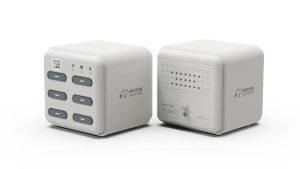
存量竞争时代,共享充电宝行业正从粗放扩张转向精细化、数字化运营。类似豹风充电的解决方案,代表了行业未来方向——通过技术手段降低信任成本、提升产业链效率。企业需要更关注用户体验、成本控制和模式创新,才能在竞争中保持优势。
结语:共享充电宝行业已进入以效率和信任为核心的新阶段。只有解决收益分配、资金透明等根本问题,才能实现可持续发展,助力合作伙伴在存量市场中赢得长期价值。
英文翻译
1. The Shared Power Bank Industry Has Entered a Stage of Stock Competition1. 共享充电宝行业已进入存量竞争阶段
The shared power bank industry has now moved from a period of rapid expansion into a stage of stock competition, characterized by market saturation, a focus on operational efficiency, and solidified market structure. The following three key points provide an in-depth analysis:共享充电宝行业现已从快速扩张期进入存量竞争阶段,其特点是市场饱和、注重运营效率以及市场格局趋于稳定。以下三个关键点进行了深入分析:
1.1 Market Saturation and Slowing Growth1.1 市场饱和与增长放缓
Prime locations in first- and second-tier cities—such as restaurants, shopping malls, and transportation hubs—have been largely occupied by major brands like “Three Electrics and One Beast” (Jiedian, Xiaodian, Monster Charging, and Meituan Charging). With point density nearing saturation, new entrants find it difficult to break in. Although user habits are well-established, the overall growth in device deployment and effective service points has slowed significantly, shifting the focus from market expansion to deepening existing operations.一线和二线城市的黄金地段——比如餐厅、购物中心和交通枢纽——已被“三电一兽”(街电、小电、怪兽充电和美团充电)等大品牌占据。随着布点密度接近饱和,新进入者很难打入市场。尽管用户习惯已经根深蒂固,但设备部署和有效服务点的整体增长已显著放缓,市场重心从扩张转向了深化现有业务。
1.2 Competition Shifts to Operational Efficiency1.2 竞争转向运营效率
The industry’s focus has shifted from “securing locations” to “improving profitability.” High channel costs (entry fees and revenue sharing rates typically ranging from 50% to 70%) and severe product homogenization have pushed companies toward refined operations: optimizing maintenance costs, promoting credit-based no-deposit rentals to enhance user experience, and balancing price increases (common rates are 3–6 CNY per hour) with user retention. Sustainable development has become a key priority.该行业的重点已从“确保场地”转向“提高盈利能力”。高昂的渠道成本(入场费和收益分成率通常在 50% 至 70% 之间)以及严重的产品同质化促使企业向精细化运营转变:优化维护成本,推广信用免押金租赁以提升用户体验,并在提价(常见涨幅为每小时 3 至 6 元)与用户留存之间寻求平衡。可持续发展已成为关键的优先事项。
1.3 Solidified Market Structure and Seeking New Avenues1.3 固化的市场结构与寻求新途径
After multiple rounds of consolidation, the market has stabilized around leading players like Meituan (leveraging its local services ecosystem) and Monster Charging (through IPO and acquisitions). In this stock competition phase, companies are exploring new models such as overseas expansion, subscription memberships, and brand collaborations to increase customer lifetime value and uncover new growth opportunities.经过多轮整合,市场已稳定在美团(凭借其本地服务生态系统)和怪兽充电(通过首次公开募股和收购)等领军企业周围。在这一股票竞争阶段,各公司正在探索诸如海外扩张、订阅会员制和品牌合作等新模式,以提高客户终身价值并挖掘新的增长机会。
Summary: The industry’s boom period has ended. The current phase tests companies’ capital endurance and operational efficiency, marking a painful transition from scale expansion to value deepening.概要:该行业的繁荣期已告终。当前阶段考验着企业的资金耐力和运营效率,标志着从规模扩张向价值深化的艰难转型。
2. Pain Points in Stock Competition and Baofeng Charging’s Solutions2. 股票竞争中的痛点及宝丰充电的解决方案
As the shared power bank industry enters stock competition, the core challenges for merchants and agents are no longer a lack of users but opaque profit distribution and prolonged return-on-investment periods. Baofeng Charging addresses these pain points with innovative solutions designed to help partners improve profit efficiency and shorten payback periods.随着共享充电宝行业进入存量竞争阶段,商家和代理商面临的核心挑战已不再是用户缺乏,而是利润分配不透明以及投资回报周期过长。宝枫充电通过创新解决方案来解决这些痛点,旨在帮助合作伙伴提高盈利效率并缩短投资回报周期。
2.1 Industry Pain Points: Diluted Profits and Trust Deficits2.1 行业痛点:利润稀释与信任缺失
In traditional models, revenue must pass through platform-based profit sharing, resulting in complex processes and issues like “hidden or missing orders,” which reduce agents’ actual income. High channel commissions (often 50%–70%) further squeeze profit margins, lengthening the payback period and increasing cash flow pressure.在传统模式中,收入必须经过基于平台的利润分成,导致流程复杂,并出现诸如“隐藏或遗漏订单”等问题,从而降低代理商的实际收入。高额的渠道佣金(通常为 50% 至 70%)进一步压缩了利润空间,延长了回本周期,并加大了现金流压力。
2.2 Baofeng Charging’s Core Advantages2.2 宝丰充电的核心优势
Baofeng Charging tackles industry pain points through innovative technical models:宝丰充电通过创新的技术模式解决行业痛点:
-
Direct Payment Transparent Funds: Baofeng Charging allows revenue to flow directly into agents’ accounts, bypassing traditional platform profit-sharing. This ensures “every transaction arrives directly,” eliminating risks of fund misappropriation and hidden orders, and making each rental income traceable and clear.直接支付透明资金:宝丰充电让收益直接进入代理商账户,绕过传统平台的利润分成。这确保了“每一笔交易直接到账”,消除了资金挪用和暗箱操作的风险,使每一笔租赁收入都可追溯且清晰明了。
-
Higher Revenue, Faster Payback: By shortening the profit distribution chain and reducing intermediate links, agents’ actual income can be more than doubled compared to traditional models. More efficient cash flow significantly shortens equipment payback periods, helping agents achieve profitability quickly in a stock market.更高收益,更快回本:通过缩短利润分配链,减少中间环节,代理商的实际收入可比传统模式高出一倍多。更高效的现金流大幅缩短了设备回本周期,帮助代理商在股市中迅速实现盈利。
-
Empowering Partners with Control: Baofeng Charging essentially returns profit control to agents through technological means. Against the backdrop of slowing industry growth, this model helps partners focus on operational optimization, improving per-point profitability and risk resilience.赋能合作伙伴掌控全局:宝丰充电通过技术手段将利润控制权交还给代理商。在行业增长放缓的背景下,这种模式有助于合作伙伴专注于运营优化,提高单点盈利能力和抗风险能力。
2.3 Industry Trends and Outlook2.3 行业趋势与展望
In the era of stock competition, the shared power bank industry is shifting from extensive expansion to refined, digitalized operations. Solutions like Baofeng Charging represent the future direction—using technology to reduce trust costs and enhance supply chain efficiency. Companies must pay closer attention to user experience, cost control, and model innovation to maintain a competitive edge.在共享充电宝行业竞争激烈的时代,该行业正从粗放式扩张转向精细化、数字化运营。像宝枫充电这样的解决方案代表了未来的发展方向——利用技术降低信任成本,提高供应链效率。企业必须更加注重用户体验、成本控制和模式创新,以保持竞争优势。
Conclusion: The shared power bank industry has entered a new phase centered on efficiency and trust. Only by addressing fundamental issues like profit distribution and fund transparency can sustainable development be achieved, helping partners secure long-term value in a stock market.结论:共享充电宝行业已进入以效率和信任为核心的新阶段。只有解决诸如利润分配和资金透明度等根本问题,才能实现可持续发展,帮助合作伙伴在股市中获得长期价值。