
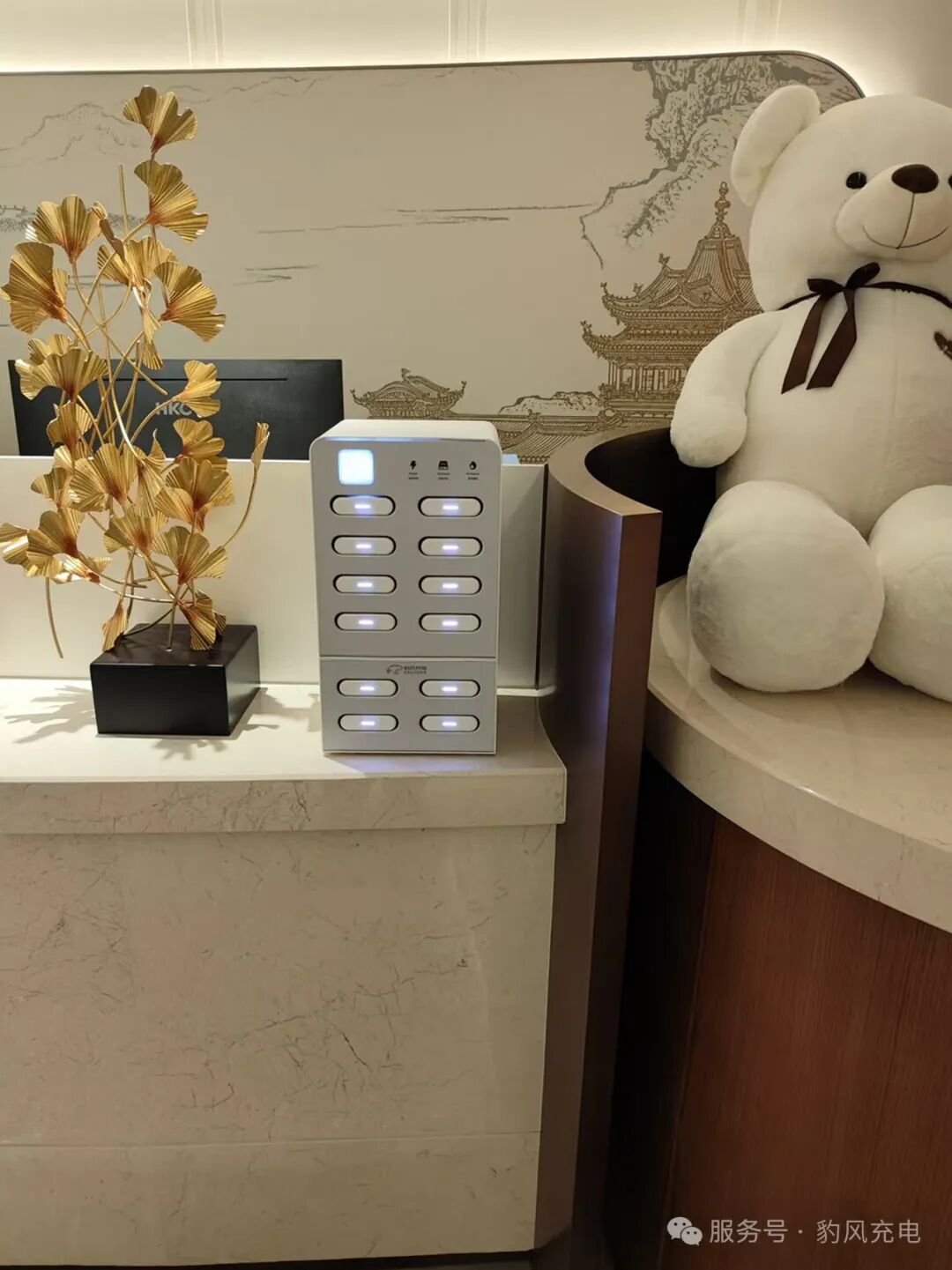
As the shared power bank industry continues to grow, more and more merchants are choosing to purchase their own shared power bank equipment to place in their stores for customer use. This not only enhances the customer experience but also creates an additional revenue stream. However, with numerous shared power bank brands and varying business models on the market, merchants can easily be misled by surface-level marketing and overlook the truly critical factors. So, what key points should merchants pay attention to when purchasing shared power bank equipment? Based on years of industry experience, the following three points are the most important.
1. Are the Earnings Truly Transparent? 鈥?The Top Concern for Merchants
Regardless of which cooperation model you choose, a merchant’s core concern always remains the same: How much money can I actually make? And can that money really end up in my pocket?
Many merchants face an awkward situation when partnering with certain shared power bank brands: customers are clearly renting power banks every day, and the backend data shows decent revenue figures 鈥?yet when it comes time for settlement, the actual amount received is far less than expected. Some platforms deduct various “technical service fees” and “operational management fees” under different names. Others set complex tiered commission structures. Still others have lengthy settlement cycles and high withdrawal thresholds, meaning a significant portion of the merchant’s hard-earned money gets “intercepted” by the platform.
According to Coherent Market Insights, the global shared power bank market is projected to grow at a CAGR of 14.2% through 2032, making revenue transparency more critical than ever as the industry scales.
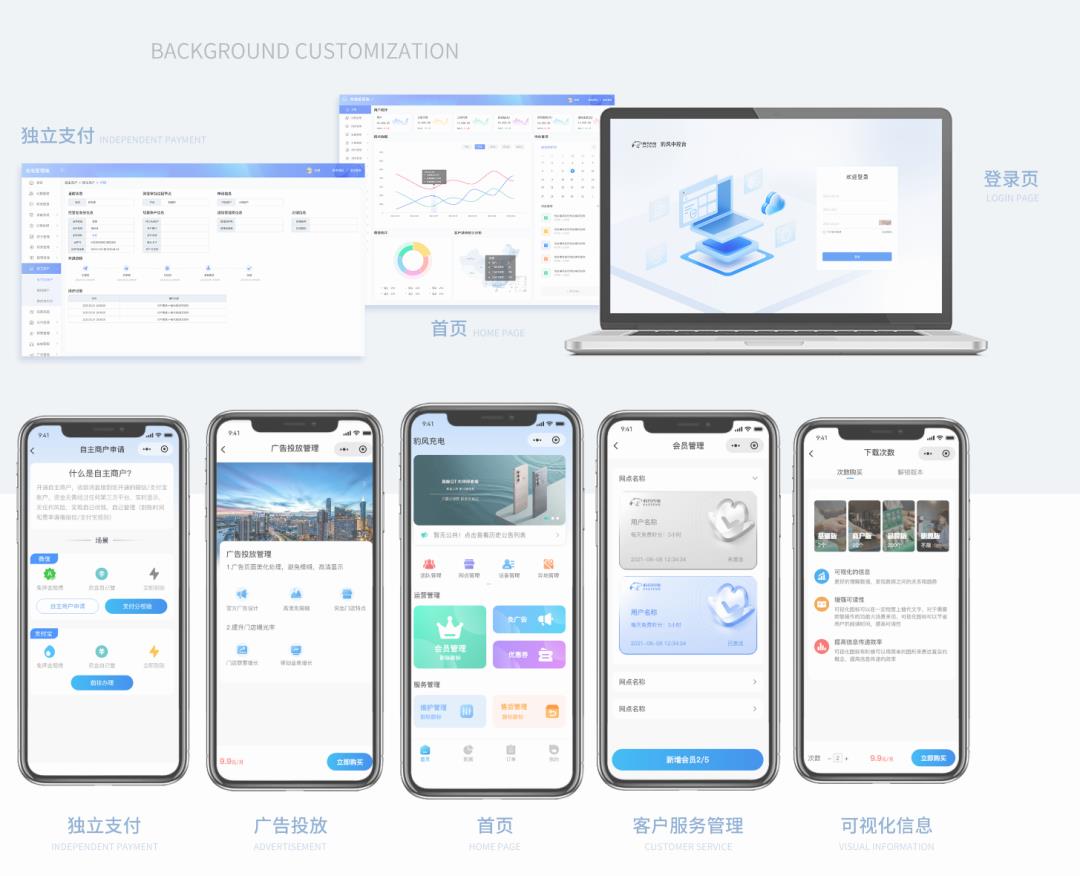
To address this pain point, Baofeng Charge offers a simple and direct solution 鈥?transparent earnings with autonomous payment collection. Baofeng Charge adheres to one core principle: every cent paid by customers when scanning the QR code goes directly into the merchant’s own collection account, without passing through any intermediary platform. Merchants can view detailed income records for every single transaction in real time. Funds arrive clearly and verifiably, with no hidden deductions and no lengthy settlement cycles. This “funds never touch the platform” model fundamentally eliminates the possibility of platform interception or delayed profit sharing, truly ensuring that every penny earned by the merchant genuinely belongs to them.
2. Is the Hardware and Software System Stable? 鈥?This Determines the Long-Term User Experience
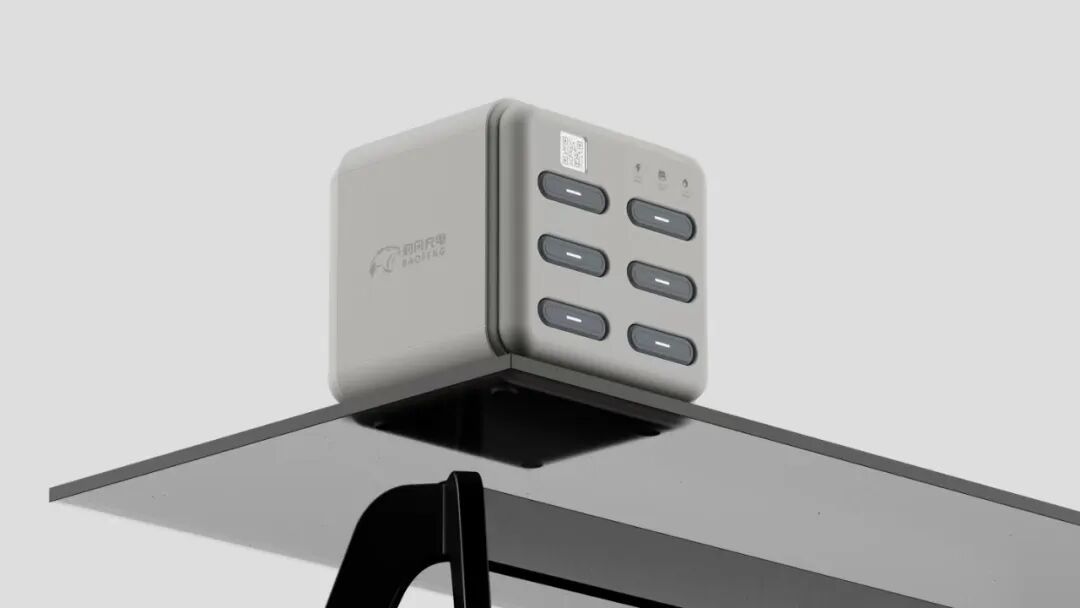
Shared power bank equipment needs to operate stably over extended periods. If the hardware quality is subpar or the software system frequently malfunctions, it not only affects customer experience but can also lead to revenue loss for the merchant and even damage the store’s reputation.
On the hardware side, key indicators to evaluate include battery lifespan, charging efficiency, connector compatibility, and casing durability. Some smaller brands cut costs by using inferior battery cells and cheap casings, resulting in problems like failure to charge, battery swelling, and cracked shells after only a short period of use. These issues not only create maintenance headaches but also pose safety risks.
Research by Spherical Insights highlights that hardware reliability is one of the top factors influencing merchant satisfaction and customer retention in the shared charging industry.
On the software side, the stability of backend management, the success rate of QR code rentals, and the reliability of device connectivity directly determine whether daily operations run smoothly. Many brands lack in-house R&D capabilities and rely on outsourced or open-source systems. When problems arise, response times are slow and fixes are difficult 鈥?leaving merchants helpless.
Baofeng Charge holds a distinct advantage in this area. The brand has independent hardware development and software development teams, with eight years of deep expertise in the shared power bank industry. This extensive technical accumulation and industry experience ensure that Baofeng Charge equipment stands the test of the market in terms of stability, durability, and safety. The hardware products are highly favored by merchants for one simple reason 鈥?low failure rates and long-lasting reliability. On the software side, Baofeng Charge possesses strong system iteration capabilities, continuously optimizing backend functionality based on market demand and user feedback. This ensures the system remains consistently stable and efficient, giving merchants peace of mind and customers a seamless experience.
3. Is After-Sales Service Reliable? 鈥?The Foundation of Long-Term Partnership
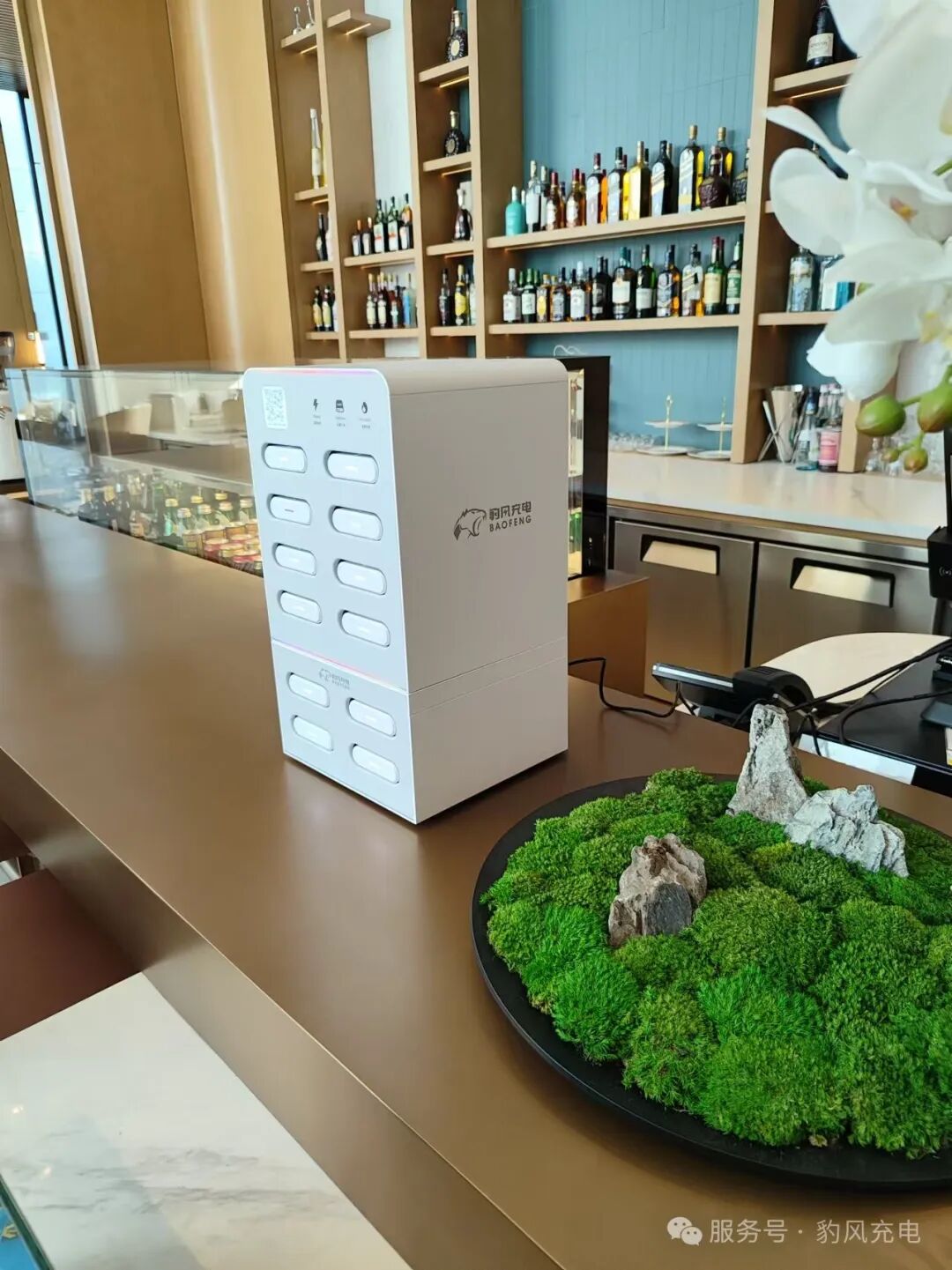
Even the best equipment can encounter issues during use. At such times, the quality of after-sales service becomes critically important. Many merchants focus solely on price and commission ratios when purchasing equipment, overlooking this “invisible” yet crucial aspect. It is only when equipment fails and needs repair or replacement that they discover unreachable customer service, slow response times, long repair cycles 鈥?or worse, that the brand simply engages in a “one-time deal,” selling the equipment and washing their hands of any further responsibility.
Data from Mordor Intelligence shows that after-sales support quality is a key differentiator in the shared power bank market, directly impacting merchant retention rates.
Shared power bank equipment is designed for 24/7 uninterrupted operation. When a malfunction occurs without timely resolution, the merchant loses real, daily revenue. Therefore, choosing a brand with reliable after-sales service is an act of responsibility toward your own business. Statista reports that the global shared charging market is becoming increasingly competitive, making service quality a decisive factor for long-term success.
Baofeng Charge‘s core service philosophy is to “serve every merchant well.” The brand consistently puts merchants first, providing full-process professional support 鈥?from equipment installation and commissioning, usage training, to daily maintenance and fault handling. Baofeng Charge is committed not only to helping merchants earn a stable supplementary income but also to safeguarding merchant funds as a baseline commitment. Through efficient, professional, and attentive service, every partner merchant can operate without worries. No matter what issues arise, merchants receive prompt responses and proper resolutions.
For a deeper understanding of how to choose the right shared power bank supplier, check out our comprehensive shared power bank purchasing guide.
Conclusion: In summary, when purchasing shared power bank equipment, merchants must focus on these three core points: whether earnings are truly transparent, whether both hardware and software are stable, and whether after-sales service is reliable. As Grand View Research notes, the shared power bank industry is evolving rapidly, and merchants who partner with reliable brands stand to benefit the most. Baofeng Charge, with its “transparent earnings, autonomous payment collection” model advantage, independent hardware and software R&D capabilities, and eight years of industry experience and reputation, demonstrates strong competitiveness across all three dimensions. For merchants looking to add a stable revenue stream through shared power banks, Baofeng Charge is undoubtedly a trustworthy choice.