
Introduction: The Power Bank Rental Industry in 2026
Are you looking for a lucrative business opportunity with low barriers to entry and recurring revenue potential? The power bank rental industry has experienced explosive growth over the past few years, and 2026 presents an ideal time for entrepreneurs to enter this market. According to Coherent Market Insights, the global power bank market is projected to reach unprecedented levels as smartphone dependency continues to grow.
With global smartphone penetration exceeding 6.8 billion users and battery life remaining a persistent pain point, the demand for convenient charging solutions continues to surge. From shopping malls and restaurants to hotels and airports, power bank sharing stations have become essential infrastructure for modern businesses. Companies like HeyCharge are innovating in this space with smart charging solutions.
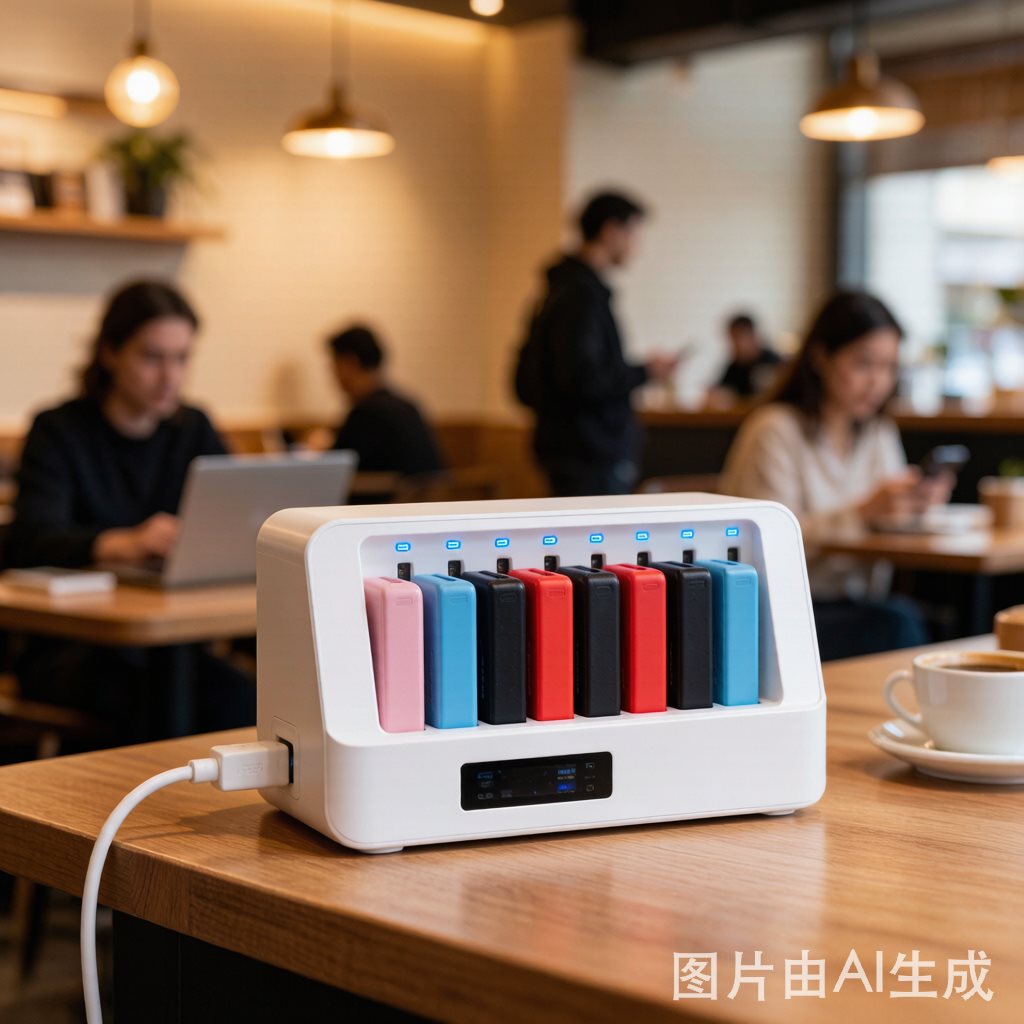
However, not all business models are created equal. While traditional franchise and agent-based systems have dominated the market, a revolutionary approach鈥攖he merchant self-purchase model鈥攊s reshaping how entrepreneurs build profitable charging businesses. In this comprehensive guide, we’ll explore why this model delivers superior returns and how you can get started today. Visit Baofeng Charge homepage for more information about professional power bank solutions.
Why Traditional Franchise Models Are Losing Ground
Before diving into the superior alternative, it’s crucial to understand why conventional power bank rental franchises are increasingly problematic for small business owners:
Excessive Revenue Sharing
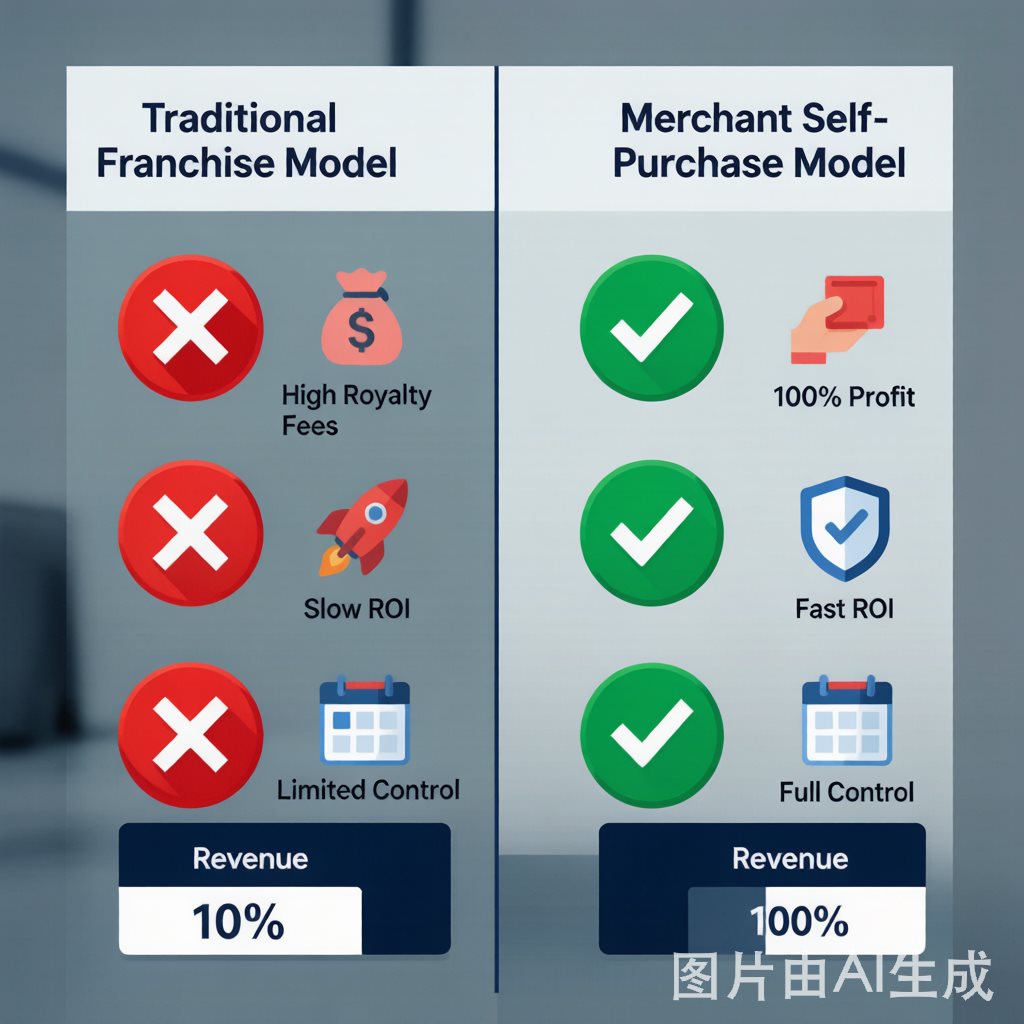
In traditional models, revenue is split among multiple parties: the platform provider takes 20-40%, regional agents claim 10-20%, venue owners demand 15-25%, leaving the actual operator with razor-thin margins of just 20-30%. This complex distribution chain significantly erodes profitability. Market research from DataIntelo shows that operators using self-purchase models achieve significantly higher profit margins.
High Entry Costs & Ongoing Fees
Franchise fees, monthly platform charges, mandatory hardware purchases from approved suppliers, and marketing contributions can easily exceed ,000-,000 before generating your first dollar of revenue.
Lack of Control
Pricing strategies, promotional campaigns, and even operational hours are often dictated by the franchisor. You’re essentially building someone else’s brand while absorbing all the risk. Professional insights on LinkedIn’s power bank rental community highlight this growing frustration among operators.
The Merchant Self-Purchase Model: A Game-Changing Alternative
The merchant self-purchase model eliminates these pain points by putting you in complete control of your power bank rental business. Here’s how it works:
Core Principle: Ownership = Maximum Profit
Instead of paying ongoing royalties or sharing revenue, you purchase the charging stations outright. Every dollar generated flows directly to your bottom line. No middlemen, no percentage splits, no hidden fees. According to Spherical Insights, this ownership-based approach is gaining rapid traction across global markets.
Key Advantages Over Franchising
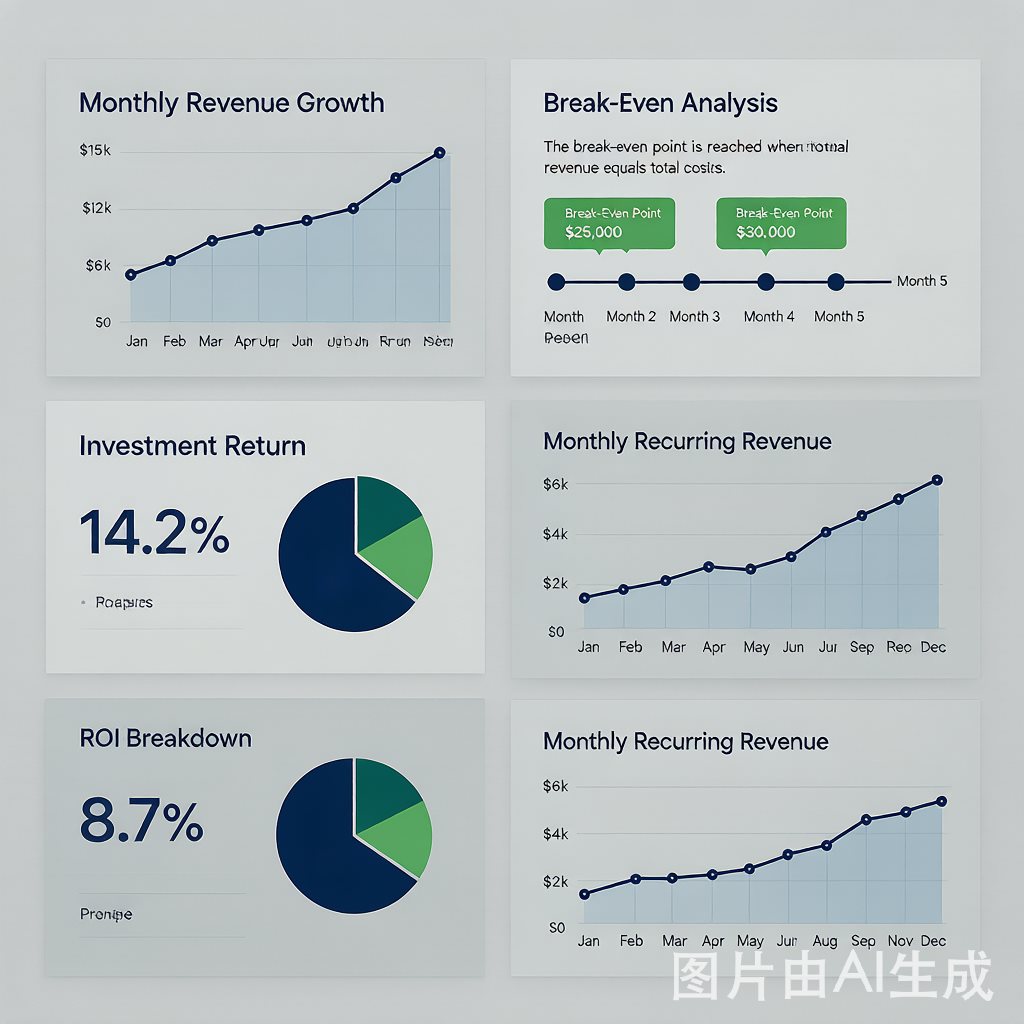
- Faster ROI: Most merchants achieve break-even within 2-4 months compared to 12-18 months with franchises
- Pricing Freedom: Set competitive rates based on your local market dynamics
- 100% Revenue Retention: Keep all earnings without sharing with platforms or agents
- Flexible Scaling: Add or relocate stations based on real-time performance data
- Custom Branding: Promote your own business identity rather than building a corporate brand

Real-World Success Stories: What’s Actually Working in 2026
Data from successful implementations reveals compelling results:
Case Study: Urban Cafe Chain (5 Locations)
A regional cafe group deployed 30 charging stations across 5 high-traffic locations using the self-purchase model:
- Initial Investment: ,500 (30 stations x )
- Monthly Revenue: ,400-3,600 per location
- Break-even Point: 45 days (average)
- Annual Profit: ,000+ after all costs
Case Study: Boutique Hotel Portfolio (12 Properties)
A hospitality management company equipped each property with 8-12 stations:
- Total Investment: ,000
- Guest Satisfaction Score: Increased by 23% (post-installation surveys)
- Ancillary Revenue: Guests spending 14% more on F&B while waiting/charging
- 18-Month Net Return: 340% of initial investment
Getting Started: Your Action Plan for Launching Successfully
Step 1: Market Research & Location Selection
Identify venues with:
- High foot traffic (200+ daily visitors minimum)
- Average customer dwell time >45 minutes
- Limited or no existing charging infrastructure
- Demographics skewed toward smartphone-dependent users (18-45 age range)
Ideal locations include coffee shops, restaurants, bars, hair salons, waiting areas, co-working spaces, and retail stores.
Step 2: Calculate Your Investment Requirements
| Cost Category | Budget Range | Notes |
|---|---|---|
| Hardware (Stations) | -/unit | Quality affects reliability and lifespan |
| Software/Licensing | – one-time | Some providers include free management software |
| Installation | -/unit | DIY-friendly; professional install available |
| Marketing Materials | – | Signage, table tents, QR codes |
| Working Capital | – | Initial payment processing reserve |
Total Startup Cost (10-unit pilot): ,500-,000
Step 3: Choose a Reliable Hardware Partner
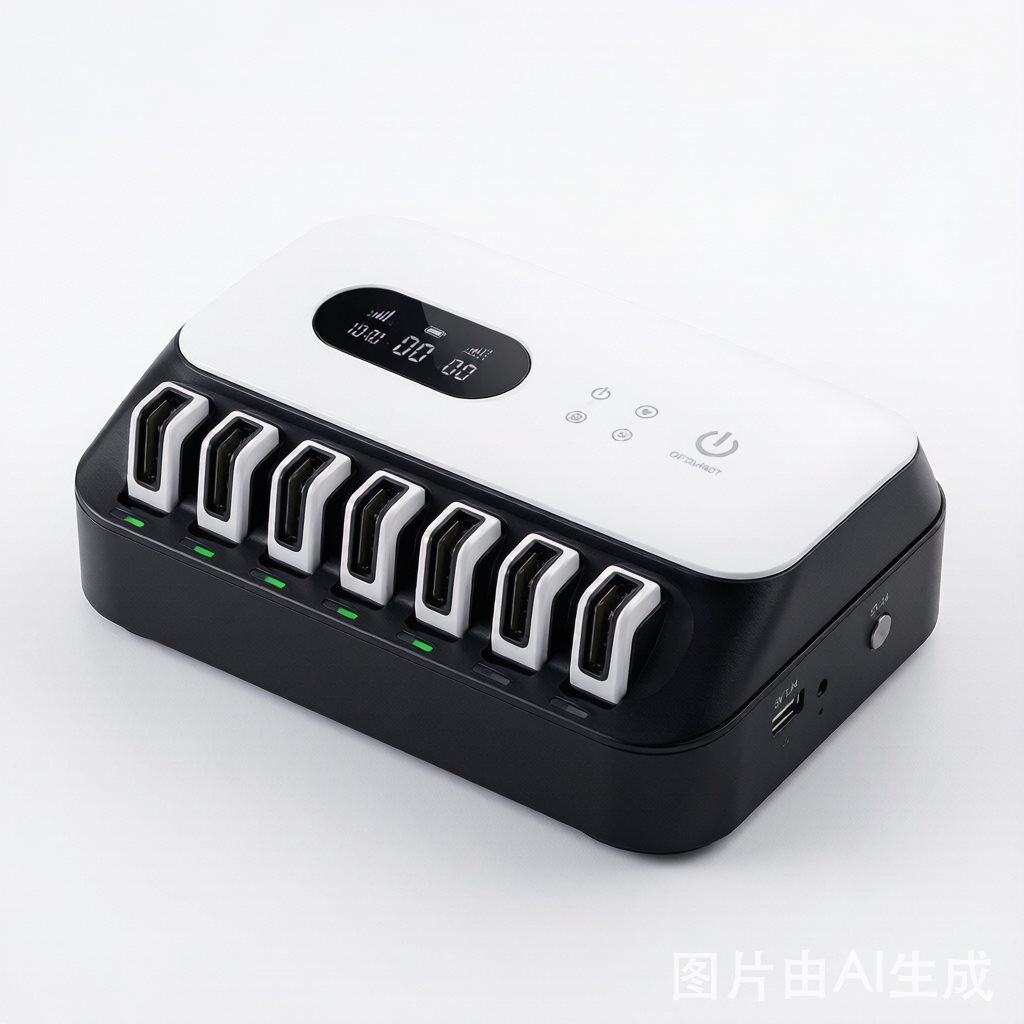
Not all power banks are created equal. When selecting equipment, prioritize:
- Battery Quality: Lithium polymer cells with 500+ cycle life expectancy
- Charging Speed: Minimum 2.1A output (fast charging preferred)
- Security Features: Anti-theft cables, tamper-proof enclosures
- Software Integration: Real-time monitoring, usage analytics, remote firmware updates
- Compliance Certifications: CE, FCC, RoHS (essential for international markets)
Step 4: Implement Smart Pricing Strategies
Pricing can make or break your business. Here are proven approaches:
- Hourly Rate Model: -/hour (most common, easy to understand)
- Tiered Pricing: First hour premium (), subsequent hours discounted (/hr)
- Daily Cap: Maximum charge of -/day (encourages longer rentals)
- Membership Options: Unlimited monthly rentals for – (recurring revenue)
- Venue-Specific Bundles: Free 30 minutes with purchase over X amount
Marketing Your Power Bank Rental Business for Maximum Visibility
In-Venue Promotion Tactics
- Eye-Catching Signage: Place ‘Charge Your Phone Here’ signs near entrances, tables, and checkout counters
- Staff Training: Ensure employees proactively mention the service to customers
- Table Tents and Menu Inserts: Include QR codes linking directly to the rental interface
- Social Proof: Display usage statistics (‘Over 500 charges this month!’) to create FOMO
Digital Marketing Channels
- Google Business Profile: Add photos of stations, encourage reviews mentioning charging availability
- Social Media: Post time-lapse videos showing busy stations, share customer testimonials
- Email/SMS Campaigns: Offer first-rental discounts to capture contact information
- Local SEO: Optimize for keywords like ‘phone charging near me,’ ‘power bank rental [city name]’
Scaling Your Operation: From Side Hustle to Full-Time Business
Once your initial locations prove profitable (typically within 60-90 days), consider these scaling strategies:
- Add More Units to Existing Venues: If utilization exceeds 70%, add 2-3 more stations immediately
- Nearby Expansion: Leverage relationships with current venue owners to introduce their business-owner network
- Diversify Venue Types: Test new categories (gyms, medical offices, auto service centers)
- Hire Part-Time Support: Delegate maintenance, restocking, and customer service as you grow beyond 50 units
- Explore B2B Opportunities: Pitch corporate clients (offices, event spaces) for bulk deployments
Common Pitfalls to Avoid
Even with a superior business model, mistakes can derail your success. Watch out for these traps:
- Undercapitalization: Do not start with fewer than 5 units; volume is necessary for meaningful data and cash flow
- Poor Location Selection: High traffic does not equal high usage if dwell time is short (e.g., fast-food takeout counters)
- Neglecting Maintenance: Dirty or malfunctioning units damage reputation quickly; implement weekly inspection routines
- Ignoring Analytics: Use software dashboards to identify underperformers and optimize placement/pricing continuously
- Legal Compliance Oversights: Check local regulations regarding electrical installations, data privacy (payment processing), and liability waivers
Conclusion: Why 2026 Is Your Year to Launch
The power bank rental industry remains ripe with opportunity, but the window for establishing a dominant position in your local market won’t stay open forever. By choosing the merchant self-purchase model over outdated franchise systems, you’re positioning yourself for faster profits, greater autonomy, and sustainable long-term growth.
With startup costs as low as ,500 and proven ROI timelines under 4 months, there’s rarely been a more accessible path to owning a recession-resistant, cash-flow-positive business.
Ready to take the next step? Visit Baofeng Charge to explore enterprise-grade power bank solutions designed for ambitious entrepreneurs. Our team provides end-to-end support including hardware selection, software setup, and ongoing technical assistance. For those interested in learning about MES production tracking systems for manufacturing, check out our previous article about factory quality management solutions.
Don’t let another day pass watching potential customers leave because their phones died. Start building your power bank empire today! Visit Baofeng Charge homepage to get started now.