
China Shared Power Bank Operation: Core Strategies and Challenges
As the domestic shared charging market in China reaches saturation, the wave of “going global” has become an inevitable trend for the industry. However, shared power bank operation overseas is not a simple replication of the Chinese model. It requires a deep integration of technological standardization and localized operations.
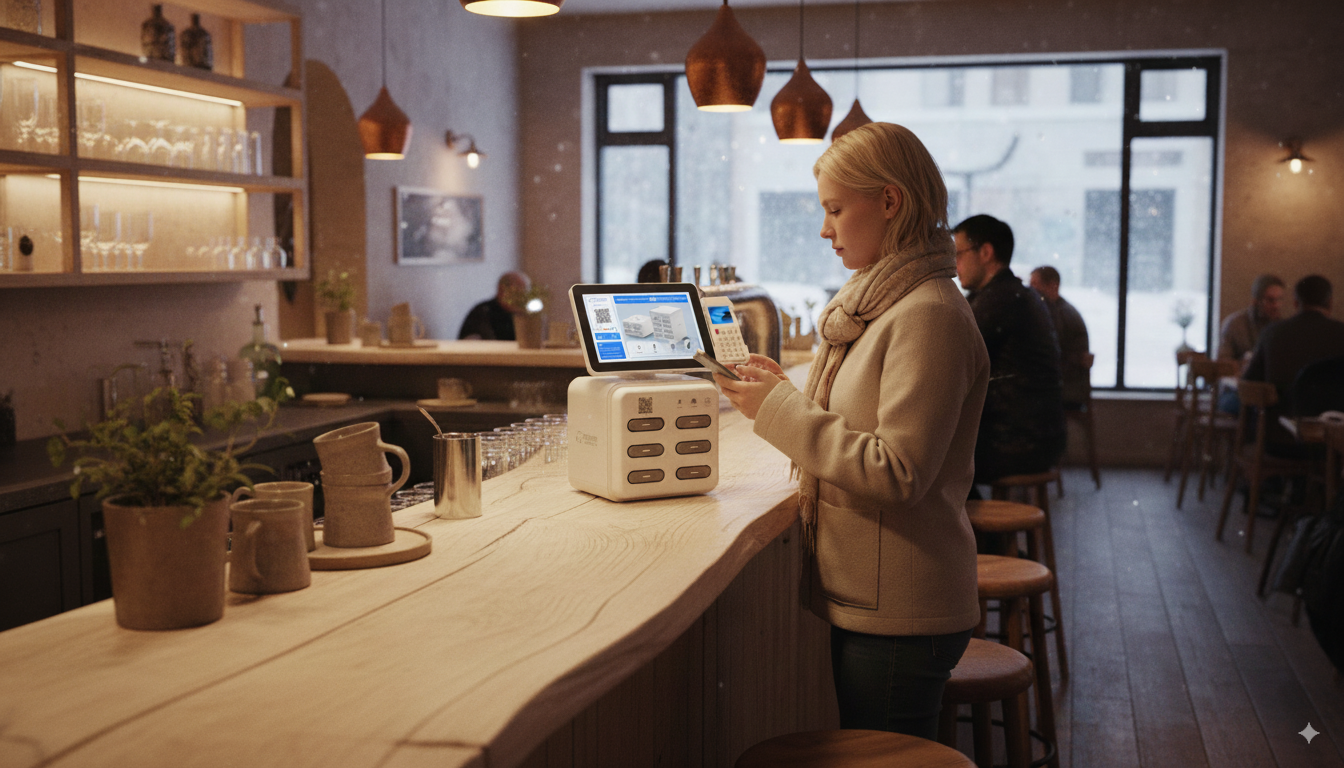
Taking Baofeng Charging as a prime example, this article analyzes the core strategies and challenges for Chinese shared power bank manufacturers entering the global market.
Precise Market Selection: The First Step to Success
Choosing the right battlefield is half the battle won. Unlike the homogeneous market in China, overseas markets vary significantly in economic development and user habits.
- Target High-Value Regions: Priority should be given to regions with high GDP, developed tourism, and frequent business travel, such as Europe, the Middle East, and Southeast Asia. These areas have a strong demand for mobile power.
- Payment Ecosystem Compatibility: The primary barrier to entry is payment. Successful operations must integrate local payment methods, moving beyond WeChat/Alipay to support credit cards, Apple Pay, and local e-wallets (e.g., PayNow in Singapore, MADA in Saudi Arabia).
Deep Localization: Beyond Language Translation
Localization is the core of overcoming cultural barriers. It involves not just language, but also cultural habits and legal compliance.
- Cultural Adaptation: Marketing materials and device colors must respect local customs (e.g., color taboos during Ramadan in the Middle East).
- Compliance Certification: Hardware must pass strict local certifications, such as CE certification in Europe and FCC certification in the US. Additionally, user data processing must comply with privacy regulations like the GDPR.
Advanced and Adaptable Hardware
Hardware is the physical carrier of the service. To survive in diverse global environments, devices must be robust and versatile.
- Fast Charging Technology: With the upgrade of mobile devices, support for 22W to 100W fast charging is essential to meet the needs of laptops and tablets.
- Modular Design: A key advantage of Baofeng Charging is its modular design. This allows for quick on-site repairs by local staff without sending the entire unit back to the factory, significantly reducing after-sales costs.
- Environmental Resilience: Devices must be adaptable to local climates, such as IP67 waterproofing for humid Southeast Asia or cold resistance for Northern Europe.
Localized Teams and Smart Platforms
Rejecting “remote control” management is crucial. Successful operations rely on local teams supported by smart software.
- Local Operations: Establishing local ground teams for merchant acquisition and maintenance builds trust and solves communication barriers.
- Smart Management Platform: Utilizing a SaaS platform for real-time monitoring of device status, battery levels, and revenue data allows for precise operational decisions.

Conclusion
The globalization of shared power banks is a long-term endeavor. Only manufacturers like Baofeng Charging, who possess both core hardware technology and a deep understanding of localized operations, can navigate the complex global landscape and seize the opportunities of the sharing economy.