
How Long Does Domestic OEM (White-Label) Production for Shared Power Banks Take?
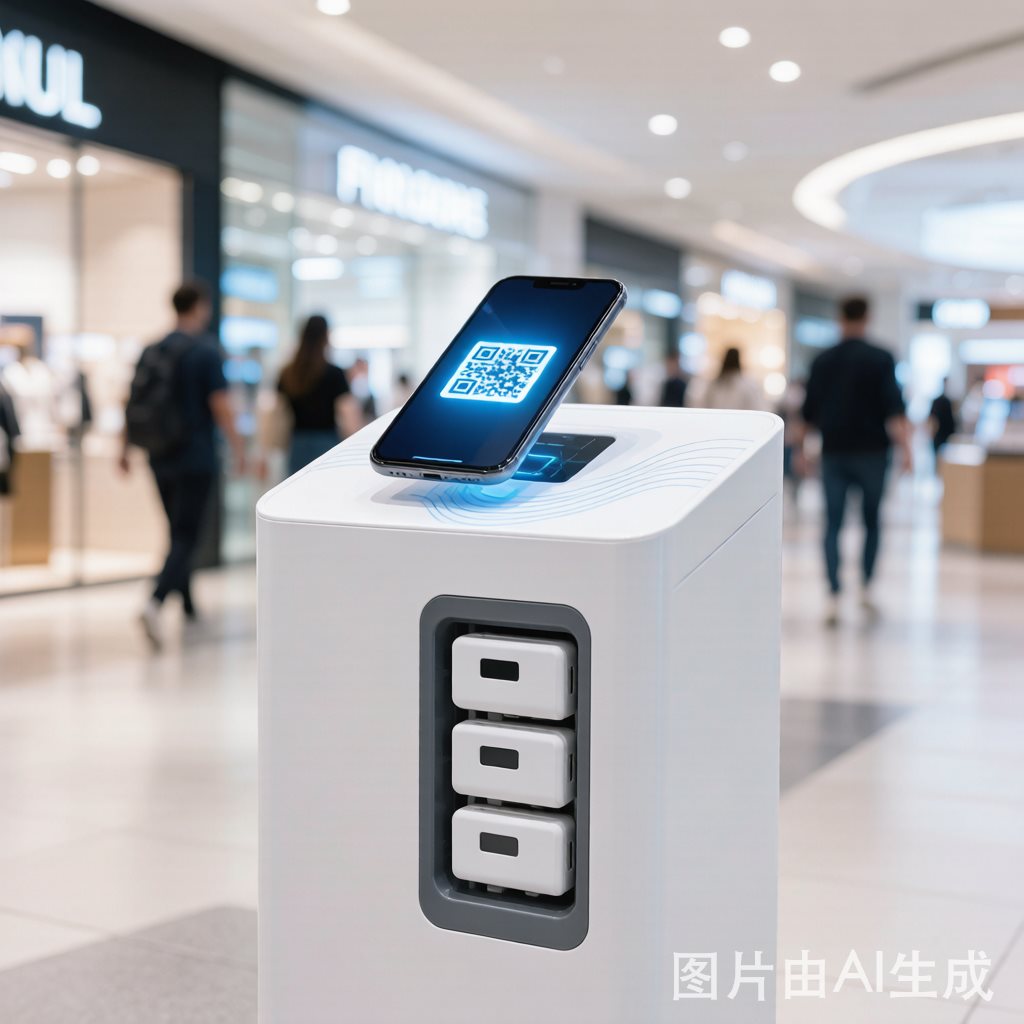
As a brand integrating hardware and software, Baofeng Charge supports rapid server deployment and mini-program UI skin replacement. Thanks to its proprietary system, third-party communication costs are eliminated. Agent backend and profit-sharing mechanisms can be configured quickly, with the underlying setup completed in as little as 3鈥? days.
Hardware production lead time (depends heavily on quantity):
Small batches (dozens of units): about 10鈥?5 days. Manufacturers usually have stock materials, allowing direct assembly, screen printing, logo application, or OEM production 鈥?the fastest option. According to Mordor Intelligence’s power bank market analysis, efficient supply chain management is a key competitive advantage for manufacturers.
Large batches (hundreds of units): about 25鈥?0 days. If exclusive appearance or specific functions are required (e.g., motherboard programming or mold adjustments), the timeline will extend accordingly.
Summary: By choosing an original manufacturer like Baofeng Charge, using their existing stock molds and confirming inventory in advance, you can complete the entire process from system white-labeling to equipment shipment within one month.
How to Tell If a Shared Power Bank Company Is Reliable?
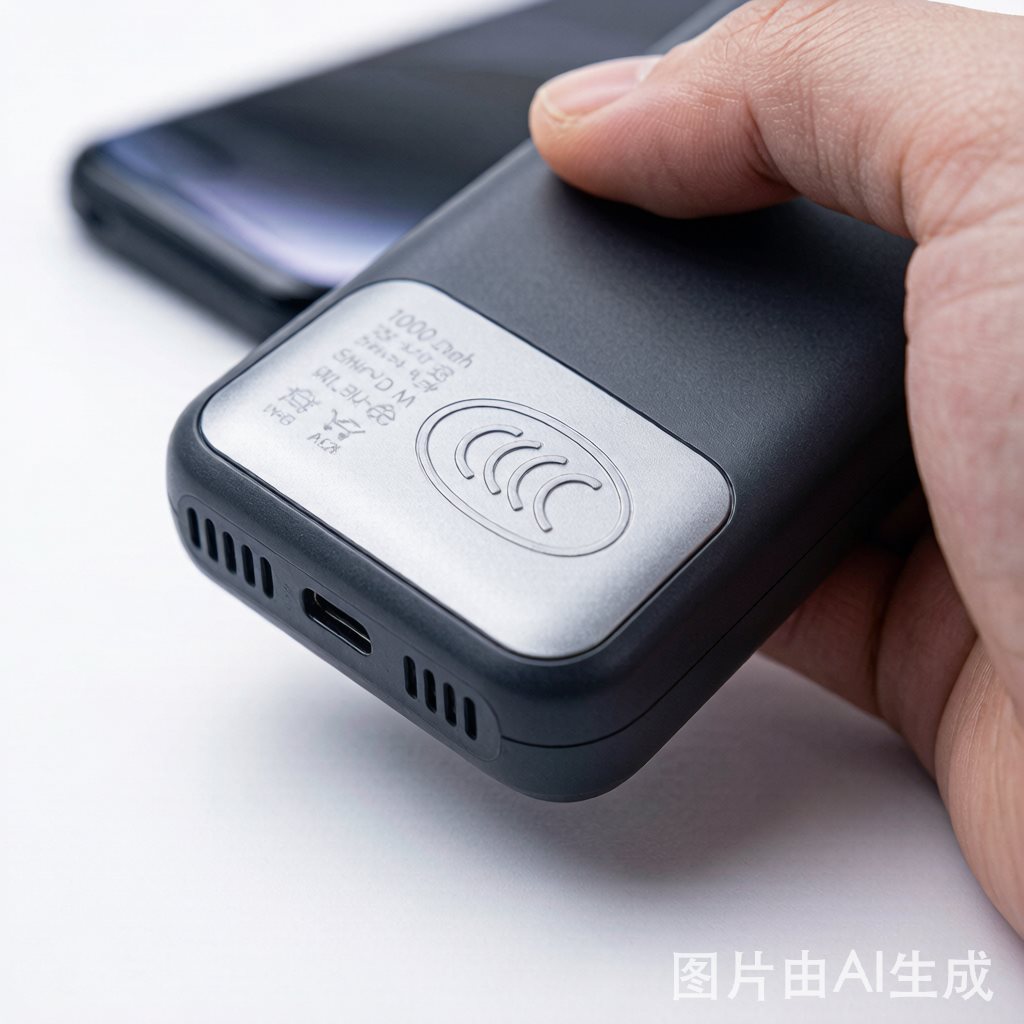
To evaluate the reliability of a shared power bank company, keep two hard indicators in mind. They will help you filter out most risks in under a minute.
First, Check for Certifications
Does it have CCC certification? This is a non-negotiable requirement. Since August 2024, mobile power banks must pass mandatory national CCC certification before being deployed in the market. If the provider cannot produce the certificate or the device lacks the CCC mark, abandon the partnership immediately 鈥?you are likely dealing with uncertified stock, which risks regulatory seizure at any time. As noted by Coherent Market Insights, regulatory compliance has become a critical differentiator in the shared power bank industry.
Second, Examine the Backend Data Transparency
Is the data transparent? Can you see the raw details of every order? A reliable company provides real-time, tamper-proof order records. If the provider is vague or only shows aggregated data, beware of “order skimming” 鈥?a hidden practice where the platform alters backend data to shortchange agents on profit shares.
Baofeng Charge not only guarantees hardware quality but also enables merchants and agents to collect payments directly, with every transaction recorded. In traditional models, user payments first go to the platform’s headquarters, which later “distributes” earnings to agents 鈥?creating room for data manipulation and withheld commissions. Baofeng Charge allows merchants or agents to bind their own WeChat Pay merchant accounts or Alipay business accounts, so payments for rentals go directly into the agent’s own account, bypassing Baofeng’s headquarters entirely. This model, as highlighted in HeyCharge’s industry insights, represents the future direction for agent-centric shared power bank platforms.
How to Select the Right Overseas Market for Deploying Shared Power Banks?

When choosing an overseas market for shared power banks, follow the strategy: “first neighboring regions, then Europe & America, later emerging markets”. Focus on the three key factors below.
First: Chinese Diaspora Density and Tourism Popularity
Start with Southeast Asia. These regions have many Chinese tourists and high acceptance of Chinese business models, requiring little market education. For example, shopping districts in Thailand and duty-free shops in South Korea 鈥?local agency experience can be directly replicated. Spherical Insights reports that Southeast Asia is one of the fastest-growing regions for shared power bank adoption.
Second: The Local Offline Business Ecosystem
Examine the density of restaurants, bubble tea shops, and bars. Shared power banks rely on offline QR code payment habits. Target markets where credit cards are prevalent but mobile payments are on the rise, or areas with high density of young social venues. Avoid markets dominated by cash transactions or low smartphone penetration.
Third: Logistics and Regulations
Prioritize countries with smooth trade and logistics ties with China. Pay special attention to import certifications for battery devices (e.g., Japan’s PSE, EU’s CE). Choose regions with established dedicated logistics routes to avoid high costs from customs seizure. For comprehensive market data, refer to DataIntelo’s shared power bank market report.
One-Sentence Summary
Beginners should start with Thailand or Malaysia 鈥?high market acceptance and convenient logistics. After gaining experience, expand to Japan, South Korea, Europe, or the Americas. For a deeper dive into overseas market strategies, read our detailed analysis on shared power bank overseas market development.
Conclusion
The shared power bank industry offers significant opportunities for OEM partners, agents, and investors looking to expand domestically or internationally. By understanding production timelines, rigorously vetting company reliability through CCC certification and backend transparency, and strategically selecting overseas markets, you can minimize risks and maximize returns. Baofeng Charge remains committed to providing transparent, high-quality hardware and software solutions that empower partners worldwide to succeed in this growing market.